


ThreatNG Security Blog
The Front Line of Digital Defense: Insights from the Edge of Cyber Risk
In an era where a single overlooked asset can dismantle a decade of trust, staying ahead of the adversary requires more than just tools; it requires a shift in perspective. The ThreatNG Blog is your dedicated intelligence hub, stripping away the noise of traditional security to reveal the real-world exposures, hidden attack paths, and emerging AI threats that define the modern attack surface. From deep dives into the psychology of digital risk to tactical guides on securing your global ecosystem, we provide the clarity you need to move from reactive defense to proactive command.
Don't Be the Next Headline: Master Your Risk Before They Do
Every minute you spend in the dark is a minute an adversary spends mapping your weaknesses. Our latest insights are designed to give you back the power, replacing the fear of the unknown with the confidence of total visibility. Explore our library and reclaim your digital peace of mind.


Discover and Assess All Parties in Your Digital Ecosystem for Third Party Risk Management (TPRM)
ThreatNG has developed a dynamic solution empowering organizations to quickly uncover, manage and monitor third-party risks. A solution that helps organizations fulfill due diligence, onboarding, and offboarding requirements for Third Party Risk Management (TPRM).
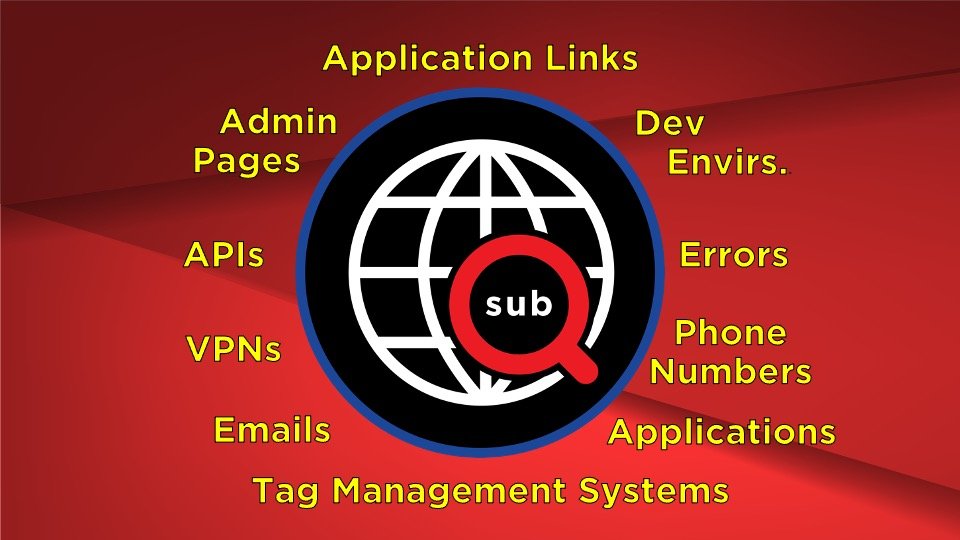
Externally Discover, Assess, and Monitor Subdomain Content Across Your Entire Digital Ecosystem
Discover and Monitor for the Presence of Admin Pages, APIs, Applications, Application Links, Dev Environments, Emails, Errors, Phone Numbers, Tag Management Systems, VPNs in Subdomains

Third-Party Risk Questionnaires and Security Risk Ratings
Our Solution to Empower Organizations to Address What is Relevant and within their Control.

DarcRadar: Cyber Risk Appetite Definition & Scoring
With DarcRadar we empower you to define and measure cyber risk in the context of “your” risk appetite and compare it against industry standards, best practices, and hygiene to address the specific parts of the Attack Surface and Digital Footprint that pose the most risk.